
If you’ve noticed your waistband tightening and wondered how to lose belly fat after 40, you’re not alone. I’ve coached many clients through this phase and lived it myself. The fix isn’t endless crunches or cutting everything you love. It’s updating your playbook to match your body right now.
I’ve spent over a decade helping clients in their 40s, 50s, and beyond tackle this exact issue. The truth is: your body changes with age—hormones shift, muscle mass declines, and stress often skyrockets. But here’s the good news: with the right strategies, you can absolutely flatten your belly, improve your health, and feel confident in your clothes again.
In this guide, you’ll learn how to lose belly fat after 40 with a plan that combines smarter strength training, protein-rich meals, improved sleep, and simple tracking, allowing you to actually see your waistline change.
Why Belly Fat After 40 Feels Different
The biology in plain English
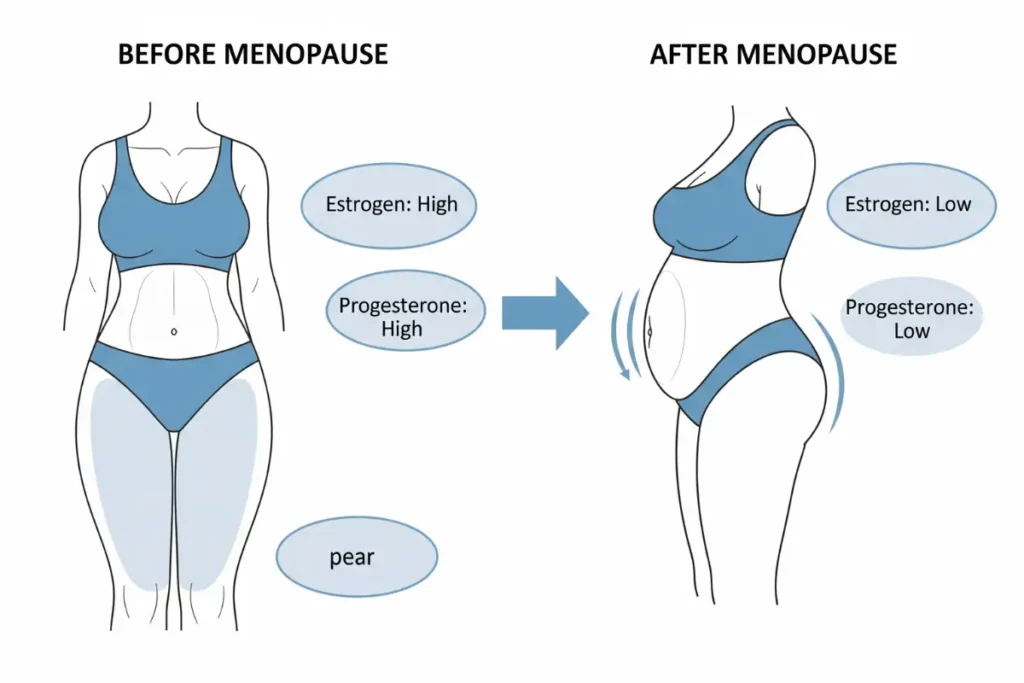
- Estrogen decline nudges fat storage toward the abdomen in midlife, especially through perimenopause and menopause.
- Sarcopenia (age-related muscle loss) lowers daily energy burn, so the “same diet” quietly becomes a surplus.
- NEAT (all the movement outside workouts) often falls—more driving, longer desk time, fewer errands on foot.
- Insulin sensitivity can drift downward, making it easier to store fat after carb-heavy meals and late-night snacks.
Coach note: When my step count dropped during a busy work season, my waist went up even though my “gym time” didn’t change. NEAT matters more than most people think.
Why is it so hard to lose belly fat after 40?
Because the inputs (hormones, muscle, movement) changed. The answer isn’t punishment. It’s a plan that rebuilds muscle, steadies blood sugar, and raises daily movement—without living at the gym.
What causes belly fat in females?
- Hormone shifts (estrogen, cortisol, insulin)
- Lower muscle mass
- Sleep debt and higher stress
- Ultra-processed foods and sugary drinks
- Alcohol and weekend calorie creep
What is a hormonal belly?
A “hormonal belly” isn’t a medical diagnosis. It’s a popular term women use to describe belly fat that shows up or sticks around when hormones shift. After 40, changes in estrogen, progesterone, cortisol, and insulin can make your body more likely to store fat in the abdominal area.
Key drivers include:
- Estrogen decline: redistributes fat from hips and thighs to the belly.
- Cortisol (the stress hormone): elevated levels encourage central fat storage.
- Insulin resistance: common with age, can make it harder for your body to use carbs efficiently, promoting belly fat.
This type of fat often feels “stubborn” because it doesn’t respond quickly to cardio-only plans. Instead, strategies like strength training, stress reduction, sleep, and blood-sugar management are most effective.
What does a hormonal belly look like?
A hormonal belly usually appears as a soft, rounded pouch across the waistline. Many women describe it as “suddenly having a muffin top” or a pooch that wasn’t there before, even if the scale hasn’t moved much.
Typical signs:
- Weight shifts from the hips/thighs to the midsection.
- Jeans feel tight around the waist but loose elsewhere.
- The belly feels softer and more persistent, not just bloating from a big meal.
- It may be paired with other hormonal symptoms like irregular cycles, night sweats, or stress-related cravings.
Can a 40-year-old have a flat stomach?
Absolutely—but the approach is different from your 20s. You can’t out-cardio hormonal changes, but you can reshape your midsection through smart lifestyle strategies. I’ve worked with women in their 40s and 50s who got flatter, stronger stomachs without extreme diets.
The keys are:
- Strength training: rebuilds muscle so your metabolism stays higher.
- Protein + fiber at every meal: controls appetite and supports muscle repair.
- Steps and NEAT: sneaky but powerful calorie burn.
- Sleep & stress management: without these, fat loss often stalls.
It’s not about perfect discipline—it’s about consistent basics, and they really work.
What is menopause belly?
“Menopause belly” is the nickname for the midsection fat that often appears during perimenopause and menopause. As estrogen levels drop, fat distribution changes: less around the hips/thighs and more around the belly.
Why does it happen?
- Estrogen normally encourages fat storage in the lower body; less estrogen = more belly storage.
- Muscle loss accelerates after 40, lowering calorie burn.
- Sleep disturbances, hot flashes, and stress during menopause can raise cortisol and cravings.
The encouraging part? It’s common, but not permanent. Many women flatten their waist again by focusing on:
- Strength + aerobic training
- Protein-focused nutrition
- Better sleep hygiene
- Stress reduction and, in some cases, medical support (HRT, thyroid checks, etc.)
Measure What Matters (Fast Baseline)
How to measure your waist correctly
- Stand tall, feet hip-width.
- Place a soft tape just above your hip bones (not around the belly button).
- Exhale normally and read the number without pulling tight.
- Re-measure 2 more times and average.
- For many women, >35 in / 89 cm signals higher risk—use it as a nudge to take action, not a reason to panic.
Pro tips
- Measure weekly at the same time of day.
- Jot notes about sleep, cycle phase, and big meals—context helps.
Waist-to-height ratio (WHtR)
- Formula: waist ÷ height.
- Goal: <0.5.
- Why it’s useful: tracks central fat change better than weight alone.
- Example: 165 cm tall → aim for waist under ~82 cm.
How can you tell if you’re losing visceral fat?
- Waist drops while scale barely moves.
- Clothes loosen at the midsection first.
- Energy and morning hunger feel steadier; labs (glucose, pressure) improve over time.
The 3-Block Plan (8 Weeks)
Designed for midlife physiology: progressive resistance + intervals + lifestyle. Use RIR (reps in reserve) to gauge effort. If a set calls for RIR 2, you should feel like you could do 2 more reps with good form.
Block 1 (Weeks 1–2) — Foundation / NEAT Reset
Goal: learn form, build consistency, raise steps.
- Steps: 8–10k/day (a 10-minute walk after each meal makes this surprisingly easy).
- Strength 2×/week (Full body, 35–45 min):
- Squat to chair or goblet squat — 2–3×10 (RIR 2–3)
- Hip hinge (dumbbell RDL) — 2–3×10
- Push (incline push-up or DB press) — 2–3×8–10
- Pull (band or cable row) — 2–3×10–12
- Carry (farmer carry, 30–45 sec) — 2–3 rounds
- Core: dead bug + side plank — 2×8/side + 2×20–30 s
- Squat to chair or goblet squat — 2–3×10 (RIR 2–3)
- Intervals 1×/week (Low-impact): 8 rounds of 30 s brisk / 60 s easy on bike or elliptical.
- Skill: pelvic-floor + transverse abdominis (TA) connection
- Drill: 90-90 breathing (3–4 mins) and TA brace (exhale, ribs down, brace like zipping jeans).
- Drill: 90-90 breathing (3–4 mins) and TA brace (exhale, ribs down, brace like zipping jeans).
How to jumpstart weight loss after 40?
Start with steps + two strength days. It controls appetite, improves sleep, and lifts energy fast—momentum you can feel in 7–10 days.
Block 2 (Weeks 3–6) — Build Muscle, Keep Moving
Goal: progressive overload and aerobic base.
- Strength 3×/week (A/B split):
- Day A: Goblet squat, DB bench press, 1-arm row, hip bridge, plank (3×8–10 each, RIR 1–2)
- Day B: Romanian deadlift, overhead press, lat pulldown, split squat, suitcase carry (3×8–10, RIR 1–2)
- Day A: Goblet squat, DB bench press, 1-arm row, hip bridge, plank (3×8–10 each, RIR 1–2)
- Cardio 2×/week:
- HIIT 1×: 12–15 minutes (e.g., 40 s hard / 80 s easy ×6–8)
- Zone 2 1×: 30–40 minutes at conversational pace
- HIIT 1×: 12–15 minutes (e.g., 40 s hard / 80 s easy ×6–8)
- Checks (weekly): waist, steps, bedtime, energy notes.
- Nutrition nudge: hit protein at each meal (see targets below).
Recovery: 1 full rest day; easy walking OK.
Strength > Cardio (But You Need Both)
Why lifting matters after 40
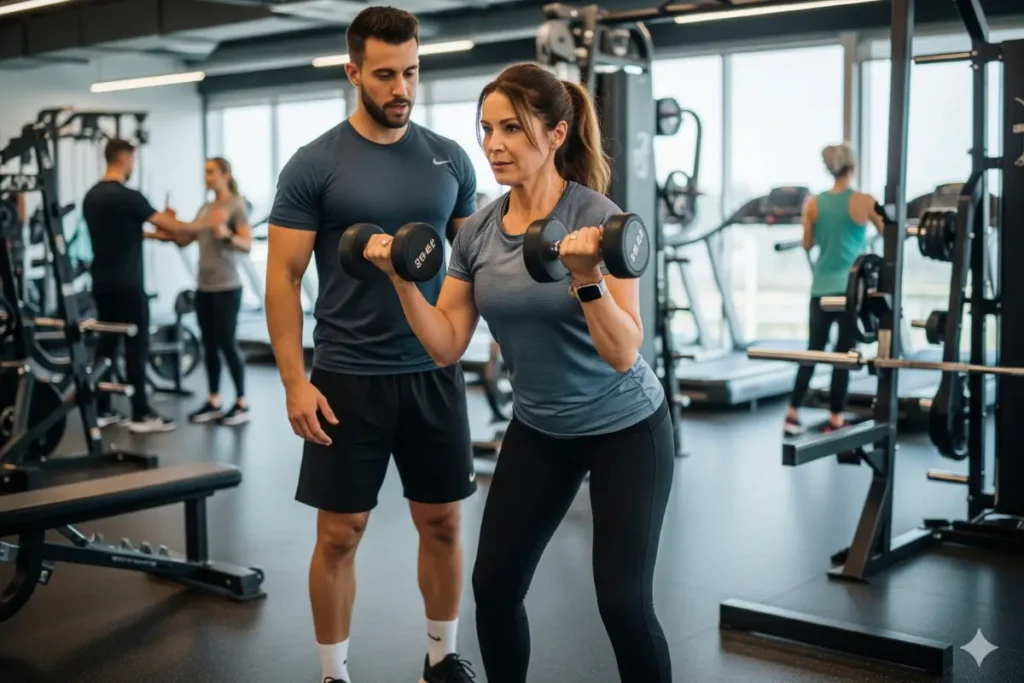
Strength training rebuilds the very tissue (muscle) that keeps your metabolism humming. Benefits you’ll notice:
- Higher resting calorie burn
- Better insulin sensitivity and blood sugar control
- Firmer, more defined waist even without huge scale changes
What exercise burns the most belly fat for females over 40?
There isn’t a single “magic move” that burns belly fat. Spot reduction doesn’t work. Instead, the best approach is a stack of exercises that work together to increase calorie burn, build muscle, and improve hormones.
1. Strength training (compound lifts, 2–4×/week):
- Think squats, deadlifts, push-ups, rows, and overhead presses.
- These moves recruit large muscle groups, which means higher calorie burn during and after training.
- More muscle = faster metabolism, which helps you burn belly fat even while resting.
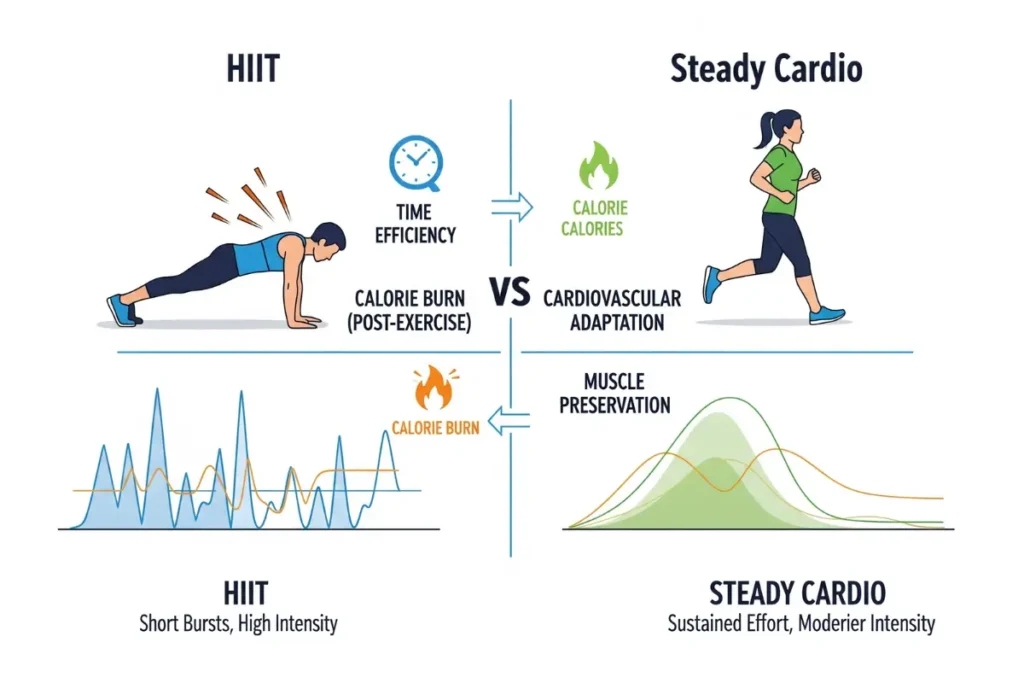
2. Intervals (HIIT or tempo sessions, 1×/week):
- Short bursts of higher intensity (like 30–60 seconds) followed by rest.
- Research shows HIIT is particularly effective at targeting visceral fat—the deeper belly fat that’s linked to health risks.
- If high-impact moves hurt, try cycling or incline walking instead.
3. Zone 2 cardio/walking (1–3×/week):
- “Zone 2” is a steady pace where you can still talk but feel like you’re working.
- Walking counts. It’s low stress on joints and adds to your weekly calorie burn without spiking hunger.
- Bonus: it helps regulate blood sugar, which reduces fat storage.
Bottom line: The best exercise “stack” combines strength, intervals, and walking. Together, they attack belly fat far better than crunches or endless treadmill sessions alone.
Do planks burn belly fat?
No, planks by themselves don’t burn belly fat. What they do is strengthen the muscles under the fat: the transverse abdominis, rectus abdominis, and obliques.
Why planks matter anyway:
- Improve posture, which makes your stomach look flatter even before fat loss.
- Strengthen deep core muscles, helping with back health and stability.
- Support pelvic-floor activation, which is especially important for women after 40.
How to use them:
- Add 2–3 plank variations (front plank, side plank, plank with shoulder tap) into your weekly workouts.
- Hold for 20–60 seconds with good form.
- Treat planks as core builders, not fat burners.
Remember: fat loss happens from overall calorie balance and muscle gain—not from one ab exercise.
What exercise flattens your stomach the most?
The exercises that flatten your stomach aren’t the ones that “target” the belly, but the ones that change your overall body composition.
Best picks:
- Full-body compound lifts (squats, deadlifts, lunges, rows, presses) → build calorie-burning muscle and firm your core at the same time.
- Walking/Zone 2 cardio → consistent, sustainable fat burn without stressing hormones or joints.
- Core integration moves like carries (farmer or suitcase carry) → train your abs the way they work in real life: stabilizing your body under load.
Crunches?
- They strengthen ab endurance but won’t flatten your stomach on their own.
- Use them as a supplement, not the main event.
The real formula:
- 2–3 strength workouts each week
- Daily walking or steps
- 1 short interval session weekly
- Combine these with good nutrition, and your waistline will gradually flatten in a way crunches never could.
Sample full-body workouts (2 levels)
Beginner (40–45 min)
- Bodyweight squat — 3×10
- Incline push-up — 3×8–10
- Band row — 3×10–12
- Hip bridge — 3×12
- Plank — 3×20–30 s
- Optional: farmer carry — 2 rounds, 40 s
Intermediate (45–55 min)
- Goblet squat — 4×6–8
- DB bench press — 4×6–8
- Romanian deadlift — 4×8
- 1-arm row — 3×10/side
- Overhead press — 3×8
- Suitcase carry — 3×30–45 s
How to get rid of lower belly pooch fast?
- Quit chasing “isolation” moves; use compound lifts.
- Hit steps daily.
- Keep weekend calories in check (easy to undo weekday work).
- Manage bloat with fiber, hydration, and slower-eating habits.
How many crunches a day to lose belly fat in 2 weeks?
The short answer: zero—because crunches don’t burn belly fat.
Here’s why:
- Spot reduction is a myth. Doing hundreds of crunches won’t “melt” fat from your stomach. Fat loss happens across the whole body, based on calorie balance, hormones, and lifestyle—not just where you exercise.
- Crunches build endurance, not fat burn. They strengthen the rectus abdominis (the “six-pack” muscle) but don’t torch enough calories to make a dent in fat stores.
- What actually works in 2 weeks:
- Increasing daily steps (8–10k per day).
- Strength training 2–3× per week to build metabolism-boosting muscle.
- Cutting back on sugary drinks, alcohol, and late-night snacking.
- Prioritizing protein and fiber to reduce bloating and improve satiety.
Crunches have value—but not for fat loss. Use them 2–3× a week (2–3 sets of 12–15 reps) to build core strength and improve posture. Pair them with compound lifts, walking, and smart nutrition, and your waistline will gradually slim down.
If your goal is a flatter stomach, trade “300 crunches a day” for a balanced program:
- Strength: squats, deadlifts, presses, rows
- Core stability: planks, carries, bird-dogs
- Cardio/NEAT: daily walking, short HIIT sessions
- Nutrition: protein + fiber at every meal, fewer refined carbs
Food That Flattens (Protein + Fiber Playbook)
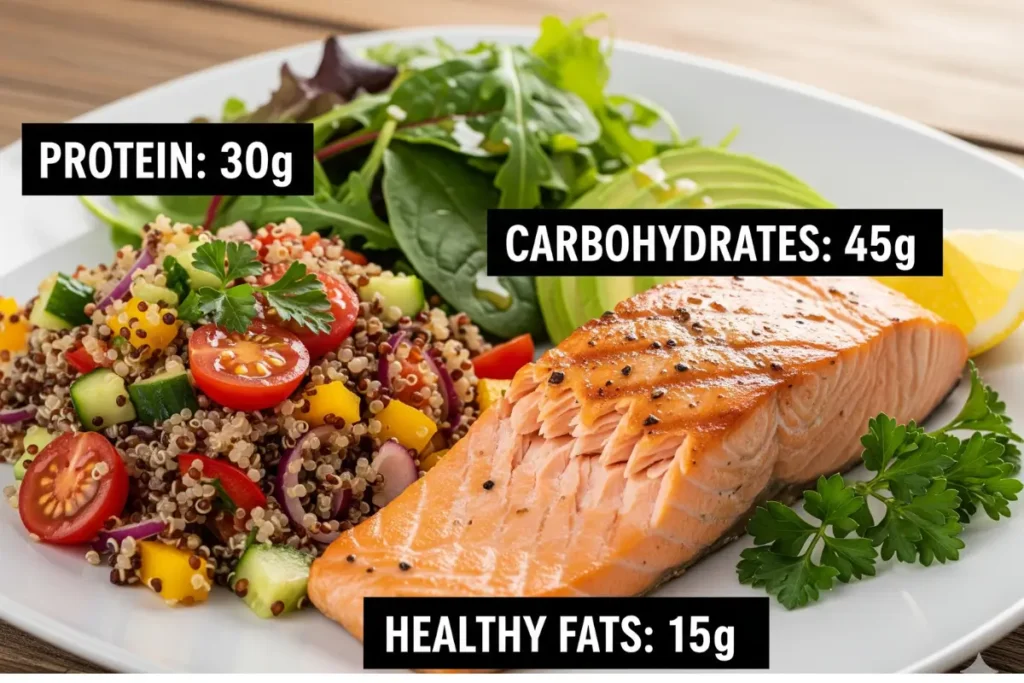
Daily targets (simple math)
- Protein:1.2–1.6 g/kg bodyweight
- 60 kg → 72–96 g/day
- 75 kg → 90–120 g/day
- Split over 3–4 meals (e.g., 25–35 g each) to curb hunger and support muscle.
- 60 kg → 72–96 g/day
- Fiber: 25–35 g/day (aim for soluble fiber: oats, beans, apples)
- Hydration: 2–3 L/day; add 500 ml around training
Plate formula (easy visual)
- ½ veggies (especially soluble-fiber sources)
- ¼ protein (eggs, fish, chicken, tofu, tempeh)
- ¼ smart carbs (quinoa, brown rice, beans, potatoes)
- Healthy fats: olive oil, avocado, nuts, seeds
Does drinking water help lose belly fat?
Drinking water by itself doesn’t magically burn belly fat—but it supports fat loss indirectly in ways that add up over time.
How water helps with a flatter stomach:
- Reduces bloating: Staying hydrated helps flush out excess sodium, which lowers water retention and makes your midsection look less puffy.
- Controls hunger: Many people mistake thirst for hunger. Drinking a glass of water before meals can reduce overeating and help you feel satisfied with smaller portions.
- Supports metabolism: Studies suggest that drinking about 500 ml (≈17 oz) of water can temporarily boost calorie burning by 20–30 minutes. It’s not huge, but over months it contributes.
- Improves digestion: Adequate hydration keeps things moving through your digestive system, reducing constipation-related bloating.
- Boosts workout performance: When you’re hydrated, you train harder and recover better—both essential for losing fat.
Practical tips:
- Aim for 2–3 litres per day (8–12 cups), more if you exercise heavily or live in a hot climate.
- Start your morning with a glass of water to rehydrate after sleep.
- Replace sugary drinks or alcohol with water, sparkling water, or unsweetened tea to cut hundreds of hidden calories.
- If you tend to snack at night, try a glass of water or herbal tea first—you may just be thirsty.
Bottom line: Drinking water won’t “melt” belly fat, but it’s a simple, free habit that reduces bloating, helps control appetite, and supports every other fat-loss strategy you’re using.
What drinks are good for losing belly fat?
- Water or sparkling water
- Unsweetened green tea
- Black coffee (no sugary add-ins)
- Peppermint tea (great for bloat relief)
How to use apple cider vinegar to reduce belly fat?
Use it as a dressing or flavor booster. It’s not magic, but it can make salads more appealing and may help appetite for some people.
Apple cider vinegar (ACV) has been hyped as a “belly fat burner,” but the truth is: it won’t directly melt fat. What it can do is play a supporting role in a healthy routine by helping appetite control, digestion, and blood sugar balance.
How can I shrink my stomach at 40?
You can’t shrink the organ. You can reshape appetite signals with protein + fiber, slower eating, and a consistent meal rhythm.
Anti-inflammatory foods (feel and look flatter)
- Omega-3s: salmon, sardines, flax, chia
- Produce: leafy greens, berries, colorful veg
- Spices: turmeric, ginger, cinnamon
3 sample days (with grams)
Omnivore
- Breakfast: Greek yogurt (200 g) + berries + oats (30 g) (~30 g protein)
- Lunch: Salmon (120 g) + quinoa (¾ cup cooked) + salad (~35 g protein)
- Dinner: Chicken stir-fry (120–150 g) + mixed veg + rice (~35–40 g protein)
Plant-forward
- Breakfast: Tofu scramble (150 g tofu) + veggies + sprouted toast (~25–30 g protein)
- Lunch: Lentil soup (1.5 cups) + side salad (~25 g protein)
- Dinner: Tempeh bowl (120 g tempeh) + brown rice + greens (~30–35 g protein)
Lower-carb
- Breakfast: Veggie omelet (3 eggs) + avocado (~25–30 g protein)
- Lunch: Tuna salad (1 can) + olive-oil slaw (~30 g protein)
- Dinner: Steak (120–150 g) + roasted veg (~35–40 g protein)
Lifestyle Levers That Quietly Shrink Your Waist
Sleep (7–9 hours) & stress management

Poor sleep drives cravings, raises cortisol, and makes “just one snack” turn into a thousand extra calories by week’s end.
Sleep routine:
- Fixed lights-out and wake time (even weekends)
- 60-minute wind-down (dim lights, stretch, read)
- Screens off 30–60 minutes before bed
- Cool, dark room; white noise if needed
Stress toolkit (5–10 minutes):
- Box breathing (4-4-4-4) or 4-7-8
- 10-minute walk after meals
- Short journaling prompt: “What’s one small win today?”
What is cortisol belly?
A cortisol belly refers to the buildup of fat around the midsection caused by chronically high levels of cortisol, the body’s main stress hormone. Cortisol is useful in short bursts—it helps you respond to challenges—but when it stays elevated day after day, it tells your body to store energy as fat, especially around the abdomen.
Why does it happen?
- Chronic stress: Work deadlines, caregiving, financial worries—all can keep cortisol levels high.
- Poor sleep: Lack of quality sleep makes cortisol harder to regulate.
- Overtraining + undereating: Ironically, doing too much HIIT or extreme dieting can backfire and raise cortisol further.
How cortisol belly shows up:
- A persistent layer of fat around the waist, even if the rest of the body is relatively lean.
- Feeling “wired but tired” at night—exhausted but unable to relax.
- Cravings for sugar, carbs, or salty snacks (cortisol pushes the body toward quick energy).
Alcohol reality check
- Keep it to ≤1 drink/day, not every day.
- Prefer spirits with soda water or a 5 oz wine; skip sugary mixers.
- Plan alcohol-free nights before heavy training.
What time should you stop eating to lose belly fat?
Try finishing the last meal 2–3 hours before bed. It aids sleep and curbs mindless munching.
Is walking good for losing belly fat?
Yes, low stress on joints, easy to recover from, and it quietly burns more than you think.
Step ladder:
- Week 1–2: 7–8k
- Week 3–4: 8–10k
- Week 5–8: 9–12k (or hold what’s realistic)
Menopause-Smart Tactics
Pelvic floor + core synergy
Deep core training helps posture, pressure management, and the “flat look.”
Mini-sequence (3–4×/week):
- TA brace + breath: 5 breaths (exhale, ribs down, gentle brace)
- Heel slides: 2×8/side (keep brace)
- Side plank from knees: 2×20–30 s/side
- Farmer carry: 2×40 s (upright, ribs stacked)
Joint-friendly HIIT alternatives
- Cycling intervals
- Pool jogging or swimming repeats
- Treadmill incline walk (2–3 min brisk / 2 min easy × 6–8)
What does menopause belly look like?
A softer, centralized layer around the waist that reflects body changes—not failure. You can change it.
Can you flatten a menopause belly?
Yes. Strength + steps + protein + stress management is the recipe. Time and consistency do the rest.
When to Talk to Your Clinician
Sometimes, belly fat after 40 has more to do with underlying health issues than with your diet or workouts. If you’ve been consistent with strength training, daily movement, protein-rich meals, and good sleep habits but still see little or no progress, it may be time to consult a professional.
Situations where a check-in with your doctor makes sense:
- Persistent fatigue or sleep disruption: Constant tiredness, night sweats, or difficulty staying asleep may signal hormonal or thyroid imbalances.
- Stubborn weight despite consistency: If your waistline doesn’t change after months of healthy effort, labs can help uncover hidden barriers.
- Medication side effects: Some common prescriptions (antidepressants, steroids, beta-blockers, etc.) can contribute to weight gain around the midsection.
- Questions about HRT (Hormone Replacement Therapy): For women navigating menopause, discussing HRT or alternatives with a clinician can clarify whether hormonal support is right for you.
- Screening for thyroid or sleep apnea: Both conditions can stall weight loss and increase belly fat risk if left untreated.
Takeaway: Reaching out for medical guidance isn’t a failure—it’s a smart step. A quick blood panel or consultation can rule out hidden issues, give peace of mind, and make your efforts more effective.
FAQs:How to Lose Belly Fat After 40
Q1: How long does it take to lose belly fat after 40?
Most women see results within 6–8 weeks if they combine strength training, daily steps, and protein-rich meals. The timeline varies, but aiming for 0.5–1 inch off the waist per month is realistic and sustainable.
Q2: Can walking 10,000 steps a day help lose belly fat after 40?
Yes. Walking boosts daily calorie burn, improves insulin sensitivity, and reduces stress. While it won’t directly target belly fat, when paired with strength training and balanced nutrition, it supports steady fat loss after 40.
Q3: What foods should I avoid to lose belly fat after 40?
Limit sugary drinks, refined carbs, fried foods, and heavy alcohol. These promote insulin spikes and central fat storage. Instead, build meals around lean protein, fiber, whole grains, and healthy fats to support fat loss.
Q4: Why is it harder to lose belly fat after 40?
Hormonal changes, muscle loss, and a slower metabolism make fat loss more challenging after 40. But focusing on strength training, protein intake, sleep, and stress management helps overcome these hurdles and supports a flatter waistline.
Conclusion
You don’t need to overhaul your life to figure out how to lose belly fat after 40. You need the right levers: lift 2–4× per week, walk daily, anchor meals with protein and fiber, sleep like it matters, and measure your waist (and WHtR) to see real progress.
Start with Block 1 this week, track your waist on the same weekday morning, and build from there. Simple, proven, doable—exactly what works in your 40s and beyond.
Ready to begin? Lace up for a 10-minute walk, schedule two strength sessions, and prep a protein-rich breakfast for tomorrow. That’s your momentum, right there.