Ever caught yourself staring at the fridge, wondering why the scale refuses to budge even though you’ve been watching every calorie? You’re not imagining it—menopause can turn your metabolism into a mischievous cat.
It’s that moment when you feel your waistline expanding despite eating clean, and you think, “What the heck is happening to my body?” The truth is, hormonal shifts are quietly rewiring how you store fat, especially around the belly.
Here’s the good news: you don’t need a magic pill or a drastic crash diet. The best diet for menopause weight loss is all about feeding your body the right fuel at the right time, while respecting the hormonal changes you’re experiencing.
Think of it like tuning a guitar. If one string is out of tune (your estrogen and progesterone), the whole song sounds off. By choosing foods that stabilize blood sugar, support healthy hormone metabolism, and keep inflammation low, you can bring that string back into harmony.
Picture a plate that’s half colorful veggies, a palm‑sized serving of lean protein, and a modest swirl of healthy fats. Add a sprinkle of fiber‑rich whole grains, and you’ve got a framework that steadies insulin spikes and gives your adrenal glands a break.
But let’s be real—talk is cheap without a concrete starting point. So, what does “best diet” actually look like on a typical day? Breakfast could be Greek yogurt topped with berries and a handful of walnuts; lunch a salad loaded with leafy greens, grilled salmon, avocado, and a squeeze of lemon; dinner a stir‑fry of broccoli, bell peppers, and tofu served over quinoa.
Notice the pattern? Protein and fiber show up at every meal, while refined carbs and added sugars take a back seat. This isn’t a strict rulebook, just a flexible map that lets you enjoy foods you love while keeping hormone‑friendly balance.
And if you’re wondering whether you need to count every macro, the answer is no. Focus on whole, minimally processed foods, stay hydrated, and listen to your body’s hunger cues. Small, consistent tweaks add up to real results.
Ready to give your metabolism a friendly nudge? Let’s dive deeper into the specific foods that make the best diet for menopause weight loss work for you.
TL;DR
The best diet for menopause weight loss focuses on protein meals, whole grains, and fats while ditching refined carbs and added sugars to stabilize hormones and curb belly fat.
Stick to whole, minimally processed foods, stay hydrated, and listen to hunger cues, and you’ll see results without counting every macro.
Table of Contents
- Diet #1: Mediterranean‑Style Eating Plan
- Diet #2: Low‑Carb, High‑Protein Regimen
- Diet #3: Plant‑Based Whole Foods Approach
- Diet #4: Anti‑Inflammatory Menu
- Diet #5: Balanced Calorie‑Counting Plan
- Conclusion
- FAQ
Diet #1: Mediterranean‑Style Eating Plan
Okay, picture this: you’re sitting at a sun‑lit table, a glass of chilled rosé or sparkling water in front of you, and a plate that looks like a Mediterranean postcard. That’s the vibe we’re after—delicious, hormone‑friendly, and surprisingly easy to stick with during menopause.
First up, olive oil. It’s not just a fancy drizzle; it’s a powerhouse of monounsaturated fats that keep insulin steady and inflammation low. Swap butter for a spoonful of extra‑virgin olive oil when you sauté veggies or finish a salad. Your waistline will thank you, and so will your taste buds.
1. Load up on colorful veggies
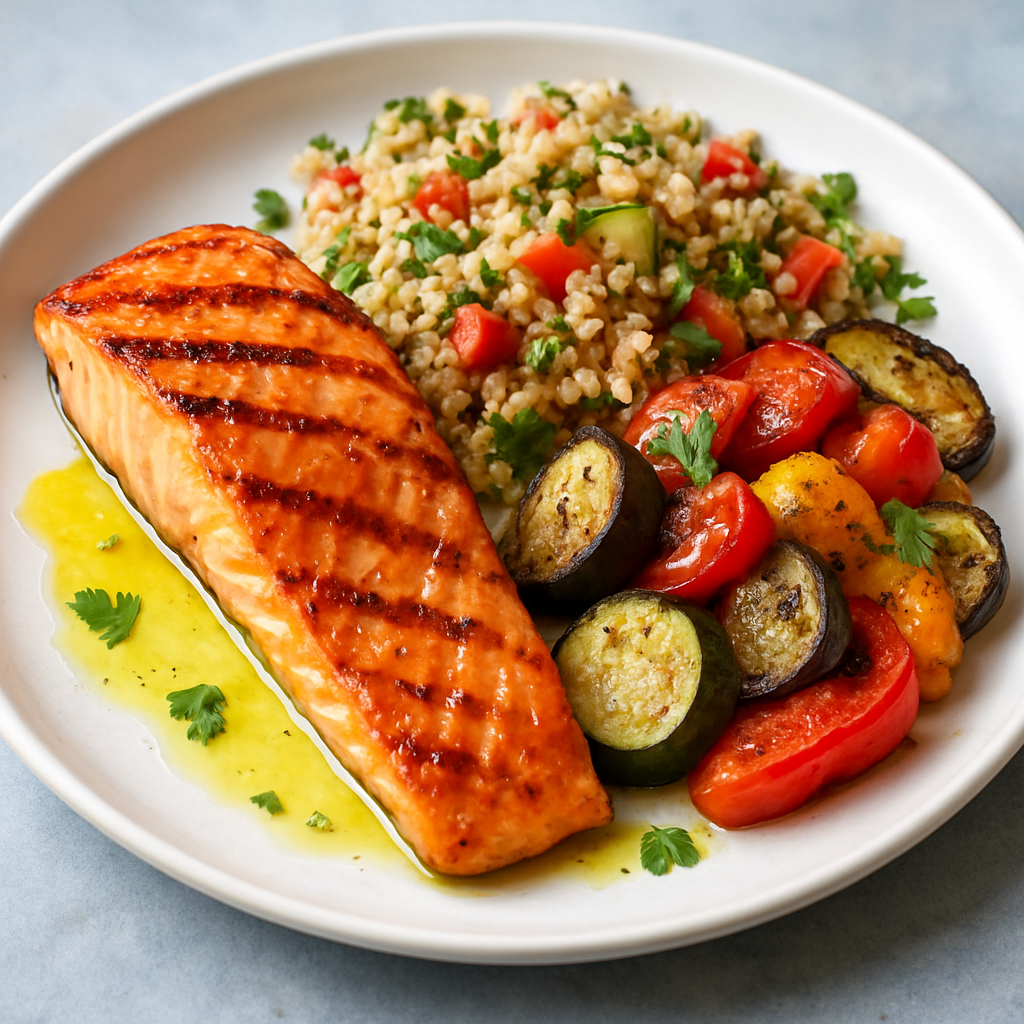
Think tomatoes, bell peppers, zucchini, and leafy greens. These veggies are packed with fiber and antioxidants that help balance estrogen metabolism. A simple Mediterranean‑style stir‑fry—olive oil, garlic, a handful of spinach, and a splash of lemon—can be the cornerstone of lunch or dinner.
2. Choose whole‑grain carbs wisely
Swap white bread for whole‑grain options like farro, quinoa, or bulgur. They release glucose slowly, preventing those dreaded sugar spikes that can aggravate hot flashes and cravings. A bowl of quinoa tossed with cucumber, mint, and a drizzle of tahini makes a satisfying, hormone‑supporting side.
3. Prioritize lean protein
Fish tops the list—especially fatty varieties like salmon, sardines, or mackerel. Those omega‑3s are like a soothing balm for the hormonal turbulence of menopause. If you’re not a fan of fish, think chicken breast, turkey, or plant‑based proteins like chickpeas and lentils.
Now, you might wonder: “Do I have to count calories?” Nope. The Mediterranean plan is about quality, not quantity. Fill half your plate with veggies, a quarter with protein, and the remaining quarter with whole grains or healthy fats. It’s a visual cue that keeps portions in check without obsessing over numbers.
Here’s a quick sample day: Greek yogurt with a drizzle of honey and walnuts for breakfast, a quinoa‑tabbouleh salad with grilled salmon for lunch, and a roasted‑vegetable medley with a side of hummus for dinner. Simple, tasty, and hormone‑smart.
Want a visual guide? Check out this short video that walks you through a Mediterranean‑style pantry makeover.
Notice how each ingredient supports steady blood sugar and reduces inflammation—two key players in managing menopause weight gain.
If you’re looking for a professional opinion to fine‑tune this approach, consider a quick consultation with B.A. Family NP Practice. They specialize in personalized nutrition plans that align with hormone‑balanced eating.
And a little tip you might not have heard: sprinkle a pinch of cinnamon on your morning oatmeal or coffee. Cinnamon can improve insulin sensitivity, making your Mediterranean meals even more effective at keeping belly fat at bay.
So, what’s the next step? Grab a fresh tomato, splash some olive oil, and start building your own Mediterranean plate today. The best diet for menopause weight loss doesn’t have to be a chore—it can feel like a mini‑vacation for your palate and your hormones.
Ready to experiment? Try swapping one processed snack a day for a handful of olives or a piece of fruit. Small changes add up, and before you know it, you’ll notice more energy, fewer cravings, and a slimmer waistline.
Diet #2: Low‑Carb, High‑Protein Regimen
If you’ve ever felt the afternoon crash that feels like your energy just up and left, you’re not alone. That dip is often a sugar roller‑coaster, and cutting carbs while boosting protein can smooth it out, especially when menopause is messing with your insulin.
So, what does a low‑carb, high‑protein day actually look like? Think of it as building a sturdy foundation—protein bricks keep the structure solid, while the carb “walls” stay thin enough to let the whole thing breathe.
1. Start with a protein‑packed breakfast
Swap the usual oat bowl for a scramble of eggs, spinach, and a scoop of cottage cheese. Add a few cherry tomatoes for color and a dash of hot sauce if you like a kick. You’ll notice you stay fuller longer, and those cravings for a sugary cereal fade faster than a summer thunderstorm.
Ever wonder why “breakfast is the most important meal” feels so true? It’s because your body is still low on estrogen, which can blunt the feeling of satiety. A protein‑rich start sends a clear “we’re fed” signal to the brain.
2. Choose lean, hormone‑friendly proteins
Think chicken breast, turkey, wild‑caught fish, and plant‑based powerhouses like tempeh or lentils. These options give you the amino acids you need without excess fat that could tip hormone balance.
And here’s a tip: batch‑cook a tray of seasoned chicken thighs on Sunday, slice them thin, and toss them into salads all week. It’s a tiny time‑saver that makes sticking to the plan feel effortless.
3. Keep carbs low but colorful
Swap white rice for cauliflower rice, zucchini noodles, or a modest serving of quinoa (just enough to fuel your muscles without spiking insulin). The goal isn’t to eliminate carbs entirely—your brain still needs glucose—but to choose carbs that come with fiber and micronutrients.
Do you remember the last time you felt bloated after a plate of pasta? That’s a classic post‑menopausal response to refined carbs. A low‑carb swap reduces that uncomfortable puffiness and helps keep your waistline honest.
4. Pair every meal with healthy fats
Avocado slices, a handful of walnuts, or a drizzle of extra‑virgin olive oil add satiety and help your body absorb fat‑soluble vitamins. Plus, fats signal your liver to produce more “good” cholesterol, which can offset the lipid changes that happen after menopause.
Honestly, a little fat is a friend, not a foe. It keeps you from reaching for that bag of chips at 3 p.m.
5. Snack smart, stay protein‑focused
When the mid‑day lull hits, reach for Greek yogurt with a sprinkle of chia seeds, or a protein shake blended with unsweetened almond milk and a few berries. These snacks keep blood sugar steady and give your muscles the building blocks they crave.
And if you’re wondering whether you need a fancy supplement, remember that whole foods usually win the day. A simple boiled egg in the fridge can be a lifesaver when cravings scream “something salty.”
Does this sound doable? Absolutely. The beauty of the low‑carb, high‑protein regimen is its flexibility—you can rotate protein sources, swap veggies, and still stay within the same hormonal‑friendly framework.
Ready to give it a try? Pick one meal tomorrow, swap the carb side for a veggie alternative, and add an extra ounce of protein. Notice how your energy feels steadier, and watch the scale respond in a gentle, sustainable way.
One quick hack that keeps you on track is the “protein‑first” plate rule: before you even think about carbs, fill half your plate with a protein source, then add non‑starchy veggies, and finally a small scoop of a low‑glycemic carb. This visual cue trains your eye and your gut to expect protein first, which can curb overeating.
Still skeptical? Try logging your meals for a week and watch how your cravings shift. You’ll likely notice fewer sugar cravings and more steady energy, proving that the best diet for menopause weight loss can be as simple as a few smart swaps.
Diet #3: Plant‑Based Whole Foods Approach
Ever wonder why a plate full of colorful veggies sometimes feels like a secret weapon against that stubborn menopause belly? You’re not alone. The research is finally catching up with what many of us have felt intuitively: a whole‑food, plant‑based diet can smooth out hormones, trim inches, and even cool down those hot flashes.
1. Soy‑rich foods keep the thermostat in check
Think tofu, tempeh, edamame, or a splash of soy milk in your morning smoothie. A study of post‑menopausal women on a low‑fat vegan plan found that soy intake, no matter how processed, was tied to both weight loss and fewer severe hot flashesaccording to recent findings. The phytoestrogens in soy act like a gentle estrogen stand‑in, helping your body regulate temperature without the crash of synthetic hormones.
2. Load up on fiber‑packed veggies for steady energy
Fiber is the unsung hero that keeps insulin spikes at bay. When blood sugar stays stable, your ovaries (or the lack of them) can’t trigger that “store more fat” alarm. Aim for a rainbow of non‑starchy vegetables—leafy greens, broccoli, peppers, carrots—at every meal. A simple tip: fill half your plate with veggies before you even think about protein.
3. Plant proteins keep muscle mass alive
We often hear “you need meat for protein,” but legumes, lentils, chickpeas, and quinoa pack a protein punch that’s more than enough for menopause weight loss. The reverse.health guide recommends at least 1 g of protein per kilogram of body weight daily, and up to 2 g if you’re activeas their experts suggest. Pair a cup of cooked lentils with a handful of nuts, and you’ve got a muscle‑saving, hunger‑taming combo.
4. Omega‑3s from plants fight inflammation
Inflammation can make joint pain and mood swings feel endless. While fatty fish is a classic source, plant‑based omega‑3s are just as effective for many women. Grab a handful of walnuts, sprinkle chia or flax seeds on your oatmeal, or blend a spoonful of hemp hearts into a smoothie. Those little green‑gold oils calm the fire inside and may even ease night sweats.
5. Mind the micronutrients you might miss
Going plant‑based means you have to be intentional about calcium, vitamin D, iron, zinc, and especially B12. Fortified plant milks, leafy greens, and a modest B12 supplement keep your bones strong and your energy steady. If you’re unsure, a quick blood test can point you in the right direction—no guesswork needed.
6. Keep ultra‑processed foods off the table
Not every “vegan” product is a health win. The research flags ultra‑processed animal substitutes as a weight‑gain trigger. Stick to whole foods: beans, whole grains, fresh fruits, and nuts. When a craving hits, reach for an apple with almond butter instead of a packaged “veggie burger” that’s loaded with hidden sugars.
7. Hydration and herbal sips matter too
Many fruits and veggies are >85 % water—watermelon, cucumber, berries—so they double‑dip as hydration boosters. Swap a midday coffee for iced herbal tea (peppermint or chamomile) to stay cool and add antioxidants without the caffeine crash.
So, what’s a realistic first step? Pick one dinner this week and go fully plant‑based: sauté tofu with garlic, toss in broccoli, bell pepper, and a splash of soy sauce, then serve over quinoa. Track how you feel for a week—energy, cravings, even night sweats. You’ll likely notice steadier blood sugar, a slimmer waistline, and a calmer mood.
Remember, the best diet for menopause weight loss isn’t a strict rulebook; it’s a flexible framework that lets you enjoy food while supporting hormone balance. By focusing on whole, soy‑rich, fiber‑dense, and nutrient‑dense plant foods, you give your body the tools it needs to rewrite the menopause story—one vibrant bite at a time.
Diet #4: Anti‑Inflammatory Menu
When inflammation sneaks into your joints, mood, and waistline, the first thing to ask yourself is “What am I feeding my fire?” The good news is that an anti‑inflammatory menu doesn’t mean bland rabbit food – it means colorful, tasty choices that calm the system and support the best diet for menopause weight loss.
1. Start the day with a turmeric‑boosted smoothie
Grab a cup of almond milk, toss in frozen berries, a handful of spinach, a teaspoon of ground turmeric, a pinch of black pepper, and a scoop of plant protein. Blend until silky. The curcumin in turmeric has been shown to reduce inflammatory markers, and the pepper helps the body absorb it.
Feel the warmth spread through your chest as you sip? That’s the anti‑inflammatory magic kicking in.
2. Snack smart with omega‑3 rich nuts
Instead of reaching for a bag of chips, keep a small container of walnuts or macadamia nuts at your desk. A quarter‑cup delivers about 2,500 mg of omega‑3 fatty acids, which help lower C‑reactive protein, a common inflammation marker.
Pro tip: sprinkle a dash of cinnamon on the nuts for extra blood‑sugar stability.
3. Build a rainbow lunch bowl
Start with a base of quinoa or brown rice for fiber, then layer roasted sweet potatoes, red cabbage, and broccoli. Add a protein punch – grilled tempeh, salmon, or chickpeas. Finish with a drizzle of olive‑oil‑lemon dressing and a sprinkle of toasted sesame seeds.
Why this works: each color represents phytochemicals that act like tiny firefighters, dousing oxidative stress that fuels belly fat.
4. Keep dinner light but satisfying
Try a one‑pan roast: toss cauliflower florets, sliced carrots, and sliced onions with a tablespoon of avocado oil, rosemary, and a pinch of sea salt. Roast until caramelized, then serve alongside a portion of wild‑caught fish or a bean stew.
The combination of fiber‑rich veggies and lean protein steadies insulin, which keeps cortisol – the stress hormone that encourages fat storage – in check.
And remember, the best diet for menopause weight loss isn’t about deprivation; it’s about swapping out the culprits that stoke inflammation.
5. End the evening with a calming tea
A cup of ginger‑turmeric tea or a warm mug of chamomile with a splash of honey can lower nighttime cortisol. Pair it with a small piece of dark chocolate (70 % cacao) for a gentle antioxidant boost.
Notice how you drift to sleep more easily? That’s your body thanking you for the anti‑inflammatory reset.
For a deeper dive into the foods that keep inflammation at bay, check out our Diet & Nutrition – Weight Loss After 40 For Women guide. It lists the top anti‑inflammatory ingredients and explains how to combine them for maximum effect.

| Food Group | Key Anti‑Inflammatory Compounds | Serving Suggestion |
|---|---|---|
| Fatty Fish | EPA & DHA omega‑3s | 2 servings/week, like salmon or sardines |
| Leafy Greens | Phytonutrients & antioxidants | 1‑2 cups daily, raw or lightly cooked |
| Spices | Curcumin, gingerol, capsaicin | Add to smoothies, soups, or dressings each day |
Now, let’s talk sleep. Poor sleep can crank up inflammation, making weight loss feel impossible. A supportive pillow that keeps your spine aligned can improve sleep quality, especially for side sleepers who often wake with neck pain. Learn how to choose the right one here. Better rest means lower cortisol, steadier hormones, and a smoother path to shedding that menopause belly.
Ready to put this menu into action? Pick one of the five ideas above, shop for the ingredients this weekend, and track how you feel for seven days. Notice less joint ache, steadier energy, and maybe even a smaller waistband. Small, consistent tweaks are the secret sauce for the best diet for menopause weight loss.
Diet #5: Balanced Calorie‑Counting Plan
Ever feel like the scale is playing tricks on you while hormones are doing their own thing? You’re not alone. A balanced calorie‑counting plan can actually be the steady compass you need, as long as you pair the numbers with hormone‑friendly food choices.
First, let’s ditch the myth that “counting calories = deprivation.” Think of calories as a fuel gauge, not a punishment board. When you know exactly how much energy you’re putting in, you can match it to the amount your body truly needs – especially when estrogen dips and your metabolism starts humming a slower tune.
Why counting calories can actually work in menopause
Research shows women typically gain about 0.7 kg (1.5 lb) per year during perimenopause and menopauseaccording to the Better Menopause. That extra weight often settles around the belly because the body is looking for a quick‑energy reserve. By tracking calories, you prevent that hidden surplus before it turns into stubborn fat.
But the magic happens when you pair the math with protein‑rich, fiber‑filled meals. Studies highlighted in the same guide suggest menopausal women benefit from 1–1.2 g of protein per kilogram of body weight, with some experts recommending up to 1.6 g for optimal muscle preservation(source). More protein means you feel fuller, you protect lean muscle, and your resting metabolic rate stays higher.
Step‑by‑step: building a balanced calorie budget
Here’s a quick, real‑world recipe you can follow tomorrow:
- 1. Calculate your maintenance. Multiply your weight (kg) by 30‑35 calories. A 70‑kg woman lands around 2,100‑2,450 cal/day.
- 2. Create a modest deficit. Subtract 10‑15 % (about 200‑300 cal). That gives you a target of ~1,800‑2,100 cal.
- 3. Divide the calories. Aim for 30 % protein, 30‑35 % healthy fats, 35‑40 % carbs. For a 1,900‑cal goal, that’s roughly 140 g protein, 70 g fat, 170 g carbs.
Now, let’s turn those numbers into food you actually want to eat.
Breakfast example (≈400 cal)
Greek yogurt (150 g) + ½ cup mixed berries + 1 tbsp chia seeds + a drizzle of almond butter. You get ~20 g protein, fiber, and a pleasant dose of omega‑3 from chia.
Lunch example (≈550 cal)
Grilled chicken breast (120 g) over a salad of mixed greens, half a cup quinoa, cherry tomatoes, cucumber, and 1 tbsp olive‑oil vinaigrette. Protein hits 30 g, carbs stay steady, and the fat helps you stay satisfied until dinner.
Dinner example (≈600 cal)
Baked salmon (150 g) with roasted Brussels sprouts, sweet‑potato wedges (½ cup), and a sprinkle of toasted walnuts. This plate delivers omega‑3s, fiber, and about 35 g protein.
Snack smartly: a hard‑boiled egg + a small apple, or a handful of edamame. Each snack stays under 150 cal and keeps blood‑sugar spikes at bay.
Notice the pattern? Every meal pairs protein with fiber and a modest amount of healthy fat. That combo is the secret sauce for steady hunger control and a metabolism that doesn’t scream “store more.”
Practical tools and tips
1. Use a phone app. Apps let you scan barcodes and log meals in seconds. Set a daily “budget” alarm so you never wander off track.
2. Meal‑prep in 30‑minute blocks. Cook a batch of quinoa, roast a tray of mixed veggies, and grill a few chicken breasts on Sunday. Portion them into containers so you only have to reheat.
3. Mindful portion tricks. The palm of your hand ≈ 100 g protein, a fist ≈ ½ cup carbs, and a thumb‑sized dab ≈ 1 tbsp healthy fat. Visual cues beat endless weighing.
4. Watch the hidden calories. Sauces, dressings, and “low‑fat” foods often hide extra sugar. Choose mustard, lemon juice, or a splash of vinegar instead.
5. Check for ultra‑processed sneaks. The Better Menopause article warns that ultra‑processed foods can add up to 300 extra calories a day because they’re easy to over‑eat. Stick to whole foods whenever possible.
6. Adjust weekly. If you notice weight stalling after two weeks, shave another 50 cal off your carbs or add a 10‑minute walk. Small tweaks keep the momentum alive.
So, what’s the next move? Grab a notebook, jot down your current daily intake, calculate a gentle deficit, and swap one refined carb for a fiber‑rich alternative tomorrow. You’ll feel the difference in energy, cravings, and maybe even that pesky menopause belly.
Conclusion
We’ve walked through a handful of tasty, hormone‑friendly eating plans, and the pattern is clear: protein, fiber, healthy fats, and whole foods are the backbone of the best diet for menopause weight loss.
So, what’s the next step? Grab a pen, jot down one meal you eat today, and swap a refined carb for a fiber‑rich alternative—like replacing a white‑bread sandwich with a lettuce‑wrapped turkey roll or swapping sugary cereal for Greek yogurt topped with berries.
Make that tiny tweak tonight, and notice how your energy steadies, cravings dip, and the dreaded menopause belly feels a little less stubborn.
Remember, you don’t need a perfect plan overnight; consistency beats perfection every time. If a week goes off‑track, simply get back to the basics—protein first, veggies next, a modest carb portion, and a drizzle of olive oil.
When you blend these small, science‑backed moves with a supportive community or a personalized roadmap, the best diet for menopause weight loss becomes less of a mystery and more of a daily habit you actually enjoy.
Ready to put it into action? Start tomorrow with one simple swap, track how you feel, and watch those tiny victories add up into the confidence and waistline changes you’ve been craving.
FAQ
What makes the best diet for menopause weight loss different from a regular diet?
The best diet for menopause weight loss isn’t a gimmick; it’s built around the hormonal shifts that happen when estrogen and progesterone dip. Those changes make your body guard energy, especially around the belly, and they crank up insulin spikes. By focusing on protein, fiber, healthy fats and low‑glycemic carbs, you smooth blood‑sugar swings, lower inflammation, and give your metabolism a gentle nudge back into gear.
How many meals a day should I eat to keep hormones stable?
Most women find three balanced meals plus a couple of protein‑rich snacks work best during the transition. Eating every 4‑5 hours keeps insulin steady, which in turn steadies cortisol and reduces the urge to binge on sugary treats. Aim for a breakfast that includes protein and fiber, a lunch with veggies and lean protein, and a dinner that pairs a modest carb with healthy fat. If you’re hungry between meals, reach for Greek yogurt, a handful of nuts, or a hard‑boiled egg.
Can I still enjoy carbs while following a menopause‑friendly plan?
Yes—you don’t have to cut carbs completely. The trick is to choose carbs that come with fiber, protein, or healthy fat, because they won’t spike blood sugar as dramatically. Good options are quinoa, sweet potatoes, berries, and whole‑grain breads. Pair any carb with a protein source, like adding chickpeas to a brown‑rice bowl or spreading almond butter on whole‑grain toast. This combo keeps you satisfied longer and prevents the mid‑afternoon crash that often fuels extra belly fat.
Which foods help calm hot flashes and support weight loss?
Soy, flaxseed, walnuts, leafy greens, and fatty fish consistently show up in research as menopause‑friendly foods. Soy’s phytoestrogens can mildly mimic estrogen, easing hot flashes while also supplying protein. Flaxseed and walnuts deliver plant‑based omega‑3s that lower inflammation, which helps the belly shrink. Dark leafy greens like kale and spinach are packed with magnesium and calcium, nutrients that support bone health and smooth hormone signaling. Aim for a serving of one of these power foods at least once a day.
How important is protein, and how much do I need each day?
Protein is the cornerstone because it protects muscle mass, which burns more calories at rest than fat. During menopause, you may lose up to 1 % of lean tissue each year, so upping protein can offset that loss. Aim for roughly 1 g of protein per kilogram of body weight; for a 70‑kg woman that’s about 70 g spread across the day. Think Greek yogurt at breakfast, a chicken or tofu salad for lunch, and a fish or legume dinner.
Do I need to count calories, or are there simpler ways to stay on track?
You don’t need a meticulous calorie‑counting app if you stick to the plate‑method we’ve described. Visual cues—half the plate veggies, a quarter protein, a quarter carbs—keep portions in check without numbers. However, if you’re curious about the exact deficit, a simple spreadsheet or phone tracker can help you see patterns, like where hidden sugars hide in sauces. The key is consistency: whether you count or not, keep protein first, fiber high, and unhealthy fats low.
What simple habit can I add tonight to boost my menopause diet success?
Start a bedtime habit that supports your hormone‑friendly diet: a 10‑minute journal of what you ate and how you felt. Write down the protein, fiber, and carb source of each meal, then rate your energy and any night‑time cravings. Over a week you’ll spot patterns—maybe a late‑night snack is triggering a sugar spike, or a leafy‑green dinner keeps you fuller. Adjust the next day’s plate accordingly, and you’ll see steady progress without drastic overhauls.